Finding the next book
Bookmate, 2023 · ~80% retention; ~10% of the user base back to reading
Bookmate is a subscription reading app with 13M+ readers worldwide: its biggest markets are Latin America and the Balkans, the richest Northern Europe. Around 2023, as Head of Product, I found out why readers were leaving, and fixed it with recommendations that met them exactly where they were about to give up. Retention rose to about 80%, about 10% of the user base came back to reading, and at least two-thirds of the readers who started to cancel stayed.
The moment
Readers were leaving, and I wanted to know why. In a subscription, the moment someone finishes one thing, they should start the next: that’s how they keep seeing the value. With music it’s easy, because the next song just plays. A book takes time and effort, so the risky moment is when a reader closes one and wonders what’s next. Our data proved it: no quick next book, no reader. Many cancelled at exactly that point.
Our recommendations didn’t help. There was one automatic shelf on the main page, built on “what’s popular with everyone”. A large share of our readers read our free content, mostly public-domain classics, so those always topped the shelf. It made it look as if the whole platform was passionately reading Jane Austen and Jack London, which our paying readers weren’t reading at all. I’d always wondered who liked those recommendations. Now they were a real problem.
What I did
I led a small team on this: four developers (backend, frontend, iOS and Android) and two data scientists from our ML team.
I designed the logic of the new recommendations:
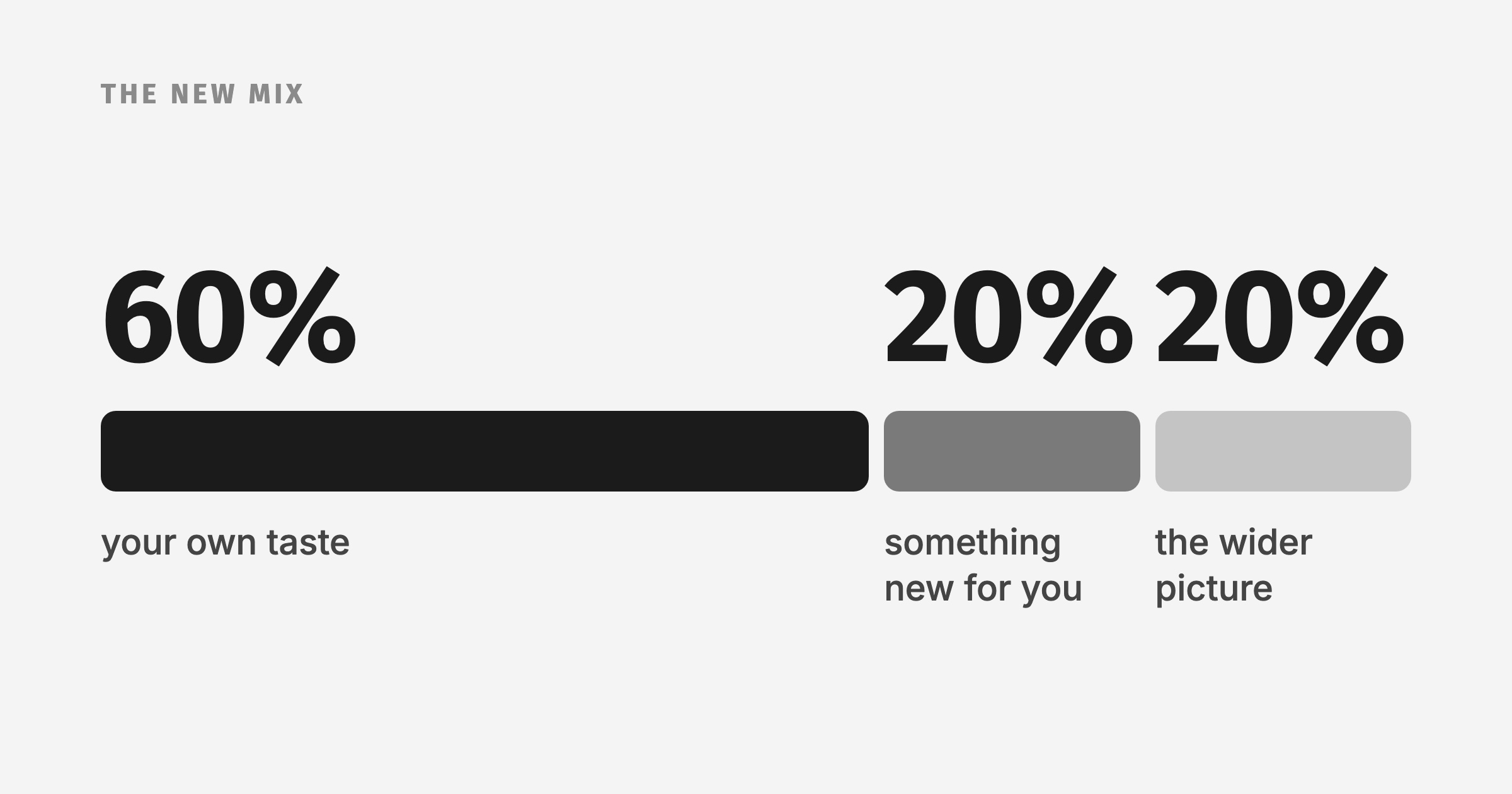
- 60%, your own taste: the models find patterns in what you finished, started and saved, and use the books’ metadata to find titles close to your favorite authors, genres and plots
- 20%, something new for you, outside your usual habits
- 20%, the wider picture: what other paying readers love (with only 1–2% left for public-domain books), print bestsellers we had in digital, and books we wanted to promote
I took a big part in training and testing the models, and I was their first user: thousands of books read on Bookmate and more than 600 on my “want to read” list made a decent stress test.
The shelf stayed, but recommendations also went:
- to the end of every book, so the next one is waiting the moment you finish
- to book pages, as similar books
- into the cancellation flow, which used to be a single click. Now it went step by step: a reminder of the unread books in your library; then books picked for you; then a promo code for a yearly subscription; and, while our achievements program ran, your unfinished goals and the question “Do you really want to give them up?”
The hard decision
Waking up sleeping subscribers was the scariest part. Many people had paid for two or three years without reading anything, and usually, when someone like that suddenly notices the service, their first thought is “why am I paying for this?”.
So we rolled it out slowly, behind a feature toggle on our in-house A/B testing platform. A small test group first. Then a small share of the oldest sleepers: the least likely to notice anything at all, but with the most forgotten subscriptions, and the most likely to cancel if they did. And the markets where a mistake would cost the least went first. It worked: they came back to reading, and only a tiny share cancelled.
What happened
- Retention rose to about 80%, very high for a subscription service
- About 10% of the user base came back to reading. The recommendations didn’t do it alone: the new cancellation flow and the achievements program we ran at the same time helped too
- At least two-thirds of the readers who started to cancel stopped at the recommended books and went back to reading
What I’d do differently
- Keep the effects apart. The recommendations, the new cancellation flow and the achievements went live around the same time, so it’s hard to say exactly how much each one earned. I’d stagger the launches or keep a holdout group for each, so we’d know what really worked
- Tell readers why a book is recommended. Something like “because you finished…” builds trust and helps people choose. I’d show the reason next to each recommendation
Why it matters to me
“What’s your next story?” is the question every story platform lives on, and games ask it too: the next level, the next mode, the next season. The 60/20/20 mix is the classic balance between giving people more of what they love and showing them something new. And waking up sleeping readers without scaring them away is exactly what live games try to do with players who’ve drifted off.